The Ten Quiet Minutes: Giving a Roast Bird Time to Settle
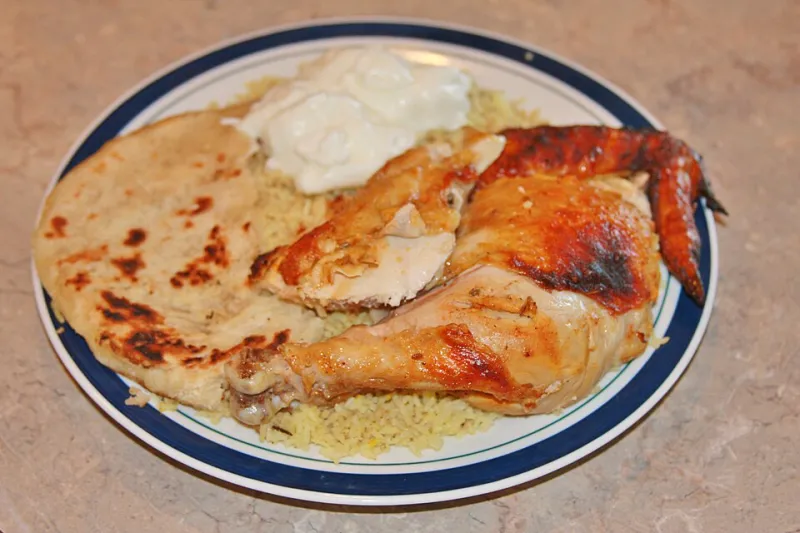
Photo: andrusdevelopment, CC BY 2.0, via Wikimedia Commons
There is a moment in every roast dinner when the oven door opens, the timer sounds and somebody says the words that undo an afternoon of work: right, who's carving? Out comes the bird, down comes the knife, and the plate fills with juice that should have stayed inside the meat.
That juice is the entire argument for resting. It is not a chef's flourish, and it is not a polite way of delaying dinner. It is the final stage of cooking, and on a British roast bird it earns you more than most of what you did in the hour before.
What is actually going on while the bird sits
Heat does not stop at the oven door. As poultry cooks, the muscle fibres contract and squeeze moisture towards the centre of the joint. Left alone, off the heat, those fibres slacken again and the juices spread back out through the meat. Carve too soon and the pressure you release takes the moisture with it.
Then there is carryover cooking. At the moment you lift the tin out, the outside of the bird is considerably hotter than the middle, and that heat keeps travelling inward. The centre of a chicken can climb three to six degrees in the first ten minutes on the side. This is why a sensible cook pulls the bird slightly before it is done rather than slightly after.
In practice: take chicken out when the thickest part of the thigh reads around 70–72°C and let it climb towards 74°C as it rests. A turkey breast joint is happy leaving the oven at 68–70°C. You are not pulling a raw bird, just one that finishes its cooking in the warm air of your kitchen rather than in the heat of the oven. The usual advice still stands — poultry should be steaming hot, with clear juices and no pink meat — and resting is how you reach that point without overshooting into dryness.
Foil is not the friend you think it is
The instinct is to wrap the bird up like a parcel. Resist it. A tight foil tent traps steam, and steam is the enemy of the crisp skin you spent an hour building. Fifteen minutes under foil will turn crackling back into something closer to a steamed pudding.
Better options, in order of preference:
- A warm platter, skin side up, with the bird on a rack over a tray so the underside does not sit in its own juices.
- The oven, switched off, with the door left ajar. Gentle warmth, no trapped steam.
- A tea towel over the plate in a warm kitchen. Genuinely enough for most birds.
- A loose sheet of foil over the legs only, if the kitchen is cold and the bird is large.
A resting timetable worth sticking inside a cupboard door
| Bird | Weight | Rest |
|---|---|---|
| Whole chicken | 1.4–1.8kg | 15–20 min |
| Whole chicken | 2–2.5kg | 20–30 min |
| Spatchcock chicken | any | 8–10 min |
| Poussin | 400–600g | 8–10 min |
| Guinea fowl | 1–1.5kg | 15–20 min |
| Duck | 2–2.5kg | 20–25 min, uncovered |
| Turkey | 4–5kg | 30–40 min |
| Turkey | 6kg and up | 45–60 min |
| Jointed legs or thighs | — | 10 min |
| Boned and rolled breast | 1.5–2kg | 15–20 min |
A rough rule of thumb is ten minutes per kilo plus ten, but treat it as a starting point rather than scripture. A cold kitchen, a hot bird and a hungry table all change the maths slightly.
Four myths worth letting go of
It will go cold. A two-kilo bird rested for twenty-five minutes in a normal kitchen loses very little heat at the centre, particularly on a warmed plate. Hot gravy, hot plates and a hot oven's worth of sides do the rest. What you lose in a degree you gain in moisture.
You should rest it for an hour. Past forty-five minutes the benefits flatten out and the skin starts to soften. Long rests suit huge turkeys; they do nothing for a chicken.
Small birds don't need it. A poussin carved straight from the tin is a poussin wasted. Eight minutes costs you nothing.
Rest it in a low oven. That is not resting, that is continued cooking under a different name, and it is how a careful roast ends up dry.
So what do you do with the ten minutes?
Quite a lot, as it happens. Spoon the fat off the tin and set it aside for potatoes. Make the gravy properly, with a splash of cider or a spoon of redcurrant jelly. Warm the plates, which matters more than most people admit. Finish the greens, stir the bread sauce, put the pickles on the table. Then carve, calmly, and find that the board stays remarkably dry.
If the bird is destined for the cold table rather than a hot plate, rest it fully and then cool it quickly — a subject for another day, but the same principle holds. Give the meat time to settle before you ask anything of it.
Ten minutes of doing nothing is the cheapest improvement available to any roast. The oven has done its work. The rest is yours.