Cider, Steam and Slow Heat: British Chicken for Deep Winter Cooking

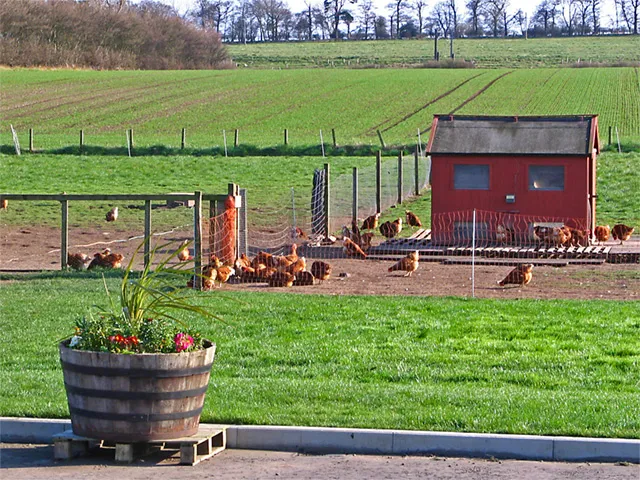
Photo: MIA20102, CC0, via Wikimedia Commons
The Sunday roast is a fine thing, but it is not the only way to cook a British chicken in January. When the wind is at the window and the light has gone by four, there is something deeply sensible about a covered pot, a gentle simmer and a bird that gives up its flavour slowly. Braising, poaching and pot-roasting are old kitchen methods, but they are not museum pieces. They are economical, forgiving and very good at turning a modest chicken into several proper meals.
Why winter suits the slower methods
A chicken is not a single ingredient. The legs have more connective tissue and benefit from moisture and time. The breast is leaner and can turn dry in a hot oven if you look away for ten minutes. The carcass, meanwhile, is the beginning of the next meal. Slow cooking lets you treat those parts differently rather than forcing them all through the same roast-timer routine.
British chicken is well suited to this approach. Look for a bird with a decent layer of fat and a firm, clean smell, whether you buy from a farm shop, butcher or trusted supermarket range. If the label tells you the farm and the rearing standard, so much the better. You do not need a rare breed for a braise, but you do want a bird that has been looked after.
Which cut for which pot
Use legs and thighs for braising. They take kindly to cider, stock, leeks and a long, low simmer. Use breast for poaching, where the liquid stays just below a bubble and the meat stays soft. Use a whole bird for pot-roasting, surrounded by roots and a little liquid, with the lid on for most of the cooking. Keep the carcass, skin and any juices for stock. Nothing here needs to be thrown away except the string.
Cider-braised chicken legs with leeks and apples
This is a West Country sort of supper, though it works anywhere the wind is doing its worst. The cider does not need to be expensive; dry is better than sweet. Serve with mash, or with bread to mop up the liquor.
Serves 4
- 4 British chicken legs, skin on
- 1 tbsp rapeseed oil
- 2 leeks, sliced and washed well
- 2 eating apples, cored and cut into wedges
- 300ml dry cider
- 200ml chicken stock
- 1 bay leaf
- 1 tsp Dijon mustard
- Salt and black pepper
Brown the chicken legs in the oil in a wide casserole, skin side down, until the skin is golden. Turn them and brown briefly on the other side, then lift them out. Soften the leeks in the same pan for five minutes, then add the apples and cook for another two. Pour in the cider and let it bubble for a minute, scraping up the good bits. Add the stock, bay, mustard and seasoning, then nestle the legs back in. Cover and cook at 160C fan or equivalent for about 45 minutes, then uncover and cook for 15 minutes more so the sauce thickens. Check the legs are cooked through and rest for ten minutes before serving.
Herb-poached chicken breast with bay and peppercorns
Poaching has an unfortunate reputation for producing hospital food. Done properly, it gives you some of the softest, most useful chicken in the kitchen. The secret is temperature and patience: the liquid should tremble, not boil.
Serves 4
- 4 British chicken breasts, skinless
- 1 litre chicken stock
- 2 bay leaves
- 1 tsp black peppercorns
- 1 small onion, halved
- 1 carrot, roughly chopped
- A few parsley stalks
- Salt
Put the stock, bay, peppercorns, onion, carrot and parsley stalks in a deep pan and bring to a bare simmer. Slip in the chicken breasts, cover, and turn the heat down as low as it will go. Cook for 12–15 minutes, until the chicken is just cooked through. Take the pan off the heat and leave the breasts in the liquid for another ten minutes. Lift them out and slice. The poaching liquor is now a light broth; strain it and use it for rice, soup or a sauce.
Pot-roasted chicken with root vegetables
A pot-roast is the middle ground between a roast and a stew. The bird browns first, then steams gently over roots until the whole kitchen smells like a Sunday afternoon. Use whatever roots you have: swede, celeriac, parsnip, carrot and small potatoes all work.
Serves 4–6
- 1 whole British chicken, about 1.6–1.8kg
- 1 tbsp butter or rapeseed oil
- 1 onion, sliced
- 2 carrots, cut into chunks
- 1 small swede, cut into chunks
- 2 parsnips, cut into chunks
- 300ml chicken stock
- 1 glass white wine or extra stock
- 2 bay leaves
- A few sprigs of thyme
- Salt and black pepper
Heat the oven to 180C fan or equivalent. Brown the chicken all over in a flameproof casserole with the butter or oil, then set it aside. Soften the onion in the same pot, then add the roots and stir for a few minutes. Pour in the stock and wine, add the bay and thyme, and sit the chicken on top of the vegetables. Cover and cook for 45 minutes, then remove the lid and cook for another 20–25 minutes, until the juices run clear and the skin has caught a little colour. Rest the bird under foil while you keep the vegetables warm. Spoon the cooking liquor over the sliced meat.
The bits after: stock, leftovers and a second supper
Once the meat is off the bone, put the carcass in a large pan with cold water, a halved onion, a carrot, a bay leaf and a few peppercorns. Bring it slowly to a simmer and leave it for two hours, skimming now and then. Strain, cool and freeze in small tubs. That stock is the backbone of a January soup, a risotto or a gravy for the next chicken.
Leftover braised leg meat can be shredded into a barley broth. Poached breast slices well for sandwiches with mustard and watercress. Pot-roast vegetables can be mashed roughly with the cooking juices and served under sliced chicken the following day. This is not frugality for its own sake. It is simply good cooking: one British bird, several dinners, and a stockpot that keeps giving.