From Farm Shop to Fridge: Keeping Your Bird Cold on the Way Home
Photo: Kögel Trailer GmbH, CC BY-SA 4.0, via Wikimedia Commons
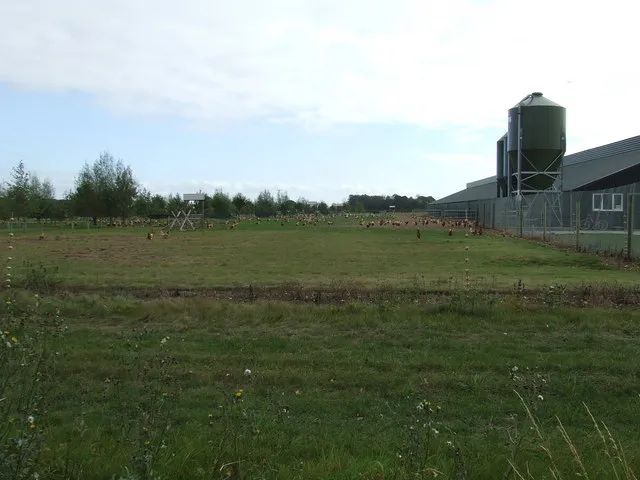
There is a particular Saturday-morning pleasure in driving out to a farm shop, collecting a bird that was reared a few fields away, and feeling that you have done something honest with your weekly food shop. The only snag is the journey home. A chilled chicken in a warm car is not a bargain; it is a food-safety problem waiting to happen. The good news is that a cool box, a couple of ice packs and a bit of planning turn the trip into something you can feel smug about rather than fret over.
This is not about turning a farm-shop run into a military operation. It is about remembering that raw poultry likes to stay cold, and that the British weather is not a reliable fridge. Here is the practical version.
Before you set off
Pre-chill the cool box. A box that has been sitting in a warm hallway will spend the first part of the journey fighting its own temperature. Put frozen ice packs or a couple of frozen water bottles in it half an hour before you leave, and keep the lid shut. If you do not have proper ice packs, a bag of ice wrapped in a tea towel will do in a pinch, but it will melt.
Clear a shelf in your fridge before you go. This sounds obvious, but a full fridge is the quiet enemy of a farm-shop trip. If there is no room for the bird when you get home, it will sit on the counter while you rearrange the shelves — exactly what you do not want.
Pack a thermometer if you have one. A cheap fridge or probe thermometer takes the guesswork out of the journey and the unpacking. Bring a couple of clean tea towels, a leak-proof container or bag for the raw bird, and some hand sanitiser. A separate bag for raw poultry is not fussy; it stops drips getting onto anything else.
At the farm shop: ask before you buy
Good sellers expect questions. Ask whether the bird is chilled or frozen. If it is chilled, ask when it was chilled and what the use-by date is. Ask how it has been stored today — in a chiller, on ice, or in a display that is doing its best. If you are buying several items, ask them to bag the poultry separately.
It is also worth asking whether they sell ice packs or insulated bags. Some farm shops do, and it saves you arriving home with a bird that has spent the last hour getting warmer than you would like. If you are collecting a Christmas bird or a special order, ask about collection slots so you are not queueing in a warm shop with a chilled bird under your arm.
Packing the cool box
Think in layers. Ice packs or frozen bottles at the bottom, then a tea towel or newspaper, then the bird in its leak-proof bag, then more ice packs on top. Fill any gaps with newspaper, tea towels or a spare jumper. A full cool box holds its temperature much better than a half-empty one because there is less warm air sloshing around inside.
Keep raw poultry away from ready-to-eat food. If you have bought cheese, pies or a pudding, pack them separately or put them at the opposite end of the box. Do not put a warm sausage roll next to a chilled chicken and hope for the best.
For a chilled bird, aim to keep it at fridge temperature — around 0–4°C — for the journey. For a frozen bird, the rule is simpler: keep it frozen solid. A cool box with enough ice should hold a safe temperature for a couple of hours, but beyond that you need more ice, a better box, or a shorter journey.
The journey home
Put the cool box in the coolest part of the car. In hot weather, that may be the air-conditioned cabin rather than a baking boot. In winter, keep it away from the heater. Do not leave it in direct sun, and resist the urge to open the lid at every service station to check on it.
Make the farm shop your last stop if you can. If you have other errands to run, do them first and collect the bird on the way home. Under an hour is easy. One to two hours is fine with a well-packed box. Beyond two hours, you need proper ice and a thermometer, and beyond four hours you should seriously consider buying a frozen bird or choosing a shop closer to home.
If traffic delays you, do not panic, but do not leave the box in the car when you finally arrive. Take it straight indoors and unpack the poultry first.
When you get home
Unpack the bird before anything else. Put it straight into the fridge, on the bottom shelf, in a sealed container or bag to catch any drips. Check the use-by date and either cook it within that time or freeze it promptly. If you are freezing it, do it on the day you bring it home, and defrost it in the fridge when the time comes.
If you have a thermometer, check the temperature. Chilled poultry should feel properly cold. If it feels warm, or if the cool box has failed and the ice has completely melted, treat it as a food-safety problem rather than a bargain. Clean the cool box and any bags with hot soapy water afterwards, and dry them fully before they go back in the cupboard.
A short checklist
- Pre-chill the cool box and ice packs.
- Clear fridge space before you leave.
- Ask whether the bird is chilled or frozen, and when it was chilled.
- Bag raw poultry separately and keep it away from ready-to-eat food.
- Layer ice above and below the bird, and fill the gaps.
- Keep the box out of direct sun and make the farm shop your last stop.
- Unpack the bird first when you get home.
A cool box is part of the kit for local eating, just like a sharp knife or a good roasting tin. It keeps the journey from farm to table honest — and that is the whole point of buying a proper British bird in the first place.