Fat Is Not Waste: A British Kitchen Guide to Poultry Schmaltz
Photo: Unknown, CC0, via Wikimedia Commons
There is a moment after a Sunday roast when the tin goes quiet. The bird is resting, the gravy is coming together, and someone reaches for the washing-up bowl. At the edge of the roasting tin sits a pale amber layer that most kitchens tip away without a second thought. That layer is the richest quarter of the bird you bought. At Pear Tree Poultry, we would rather it went into a jar than down the sink.
Rendering poultry fat is not a restaurant trick or a wartime hangover. It is a simple kitchen habit, and once it takes hold, the Sunday bird starts giving twice. The meat feeds you on the day; the fat feeds the potatoes, the greens and the breadcrumbs for weeks afterwards. It is thrift in the best sense — not pinching, just noticing what is already in front of you.
Start with the skin, not the sink
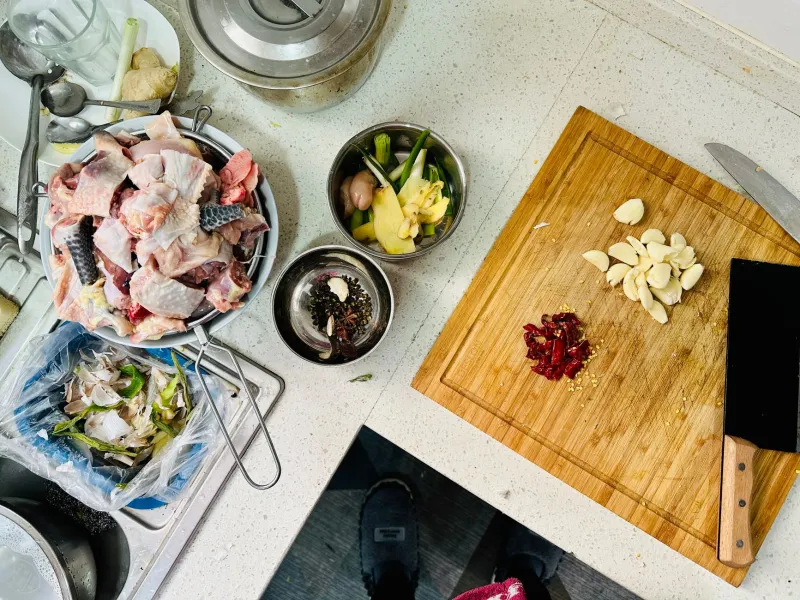
Chicken skin, wing tips and the odd bit of trim are the easiest place to begin. Keep a small bag in the freezer and add to it through the week: raw skin from thighs, the flap from a whole bird, scraps from jointing. When the bag is full, tip the lot into a heavy saucepan and add a splash of water — roughly a tablespoon for every handful of skin. The water stops the skin catching before the fat has had time to melt, which keeps the finished fat clean and mild.
Set the pan over the lowest heat you can manage and let it sigh away for half an hour or so. You are not frying the skin to a crisp; you are coaxing the fat out slowly. When the skin has shrunk and gone golden, and the pan is full of clear liquid fat, take it off the heat. Line a sieve with muslin or a clean tea towel and strain the fat into a jug. Leave it to cool, then cover and refrigerate. The skin itself can be salted and crisped in the oven — a cook's perk, not a by-product.
Duck and goose: the richer jar
Duck and goose give more fat and a more assertive one. A goose is the great winter bird for this, and if you are ordering one for Christmas, ask the butcher or farm shop for the trimmed skin and fat as well. Render it low and slow, exactly as above, and keep it in its own jar. Goose fat is the classic roasting-fat for potatoes because it sets firm and takes heat beautifully; duck fat is a little softer in flavour but just as useful for confit and frying.
Do not rush these richer fats. A hard heat will brown the impurities and leave you with a jar that tastes of the pan rather than the bird. Gentle heat, a little patience and a clean jar are the whole method.
The roasting tin: skim while it is warm
After the bird has rested, pour the juices from the roasting tin into a jug and let them settle for a few minutes. The fat rises; the darker stock sits below. Spoon the fat off the top, or use a separating jug if you have one, and keep it. The juices underneath are for gravy. If you roasted vegetables under the bird, some fat will already have been used — but there is usually more than enough left to skim.
This is the moment to be practical rather than precious. Warm fat pours easily; cold fat is a chore. Skim it while the kettle is still hot and the plates are still on the table, and you will actually do it.
Clarify and keep: a jar by the hob
Rendered fat keeps well, but a little clarifying makes it keep better. Melt the cooled fat gently with a spoonful of water, bring it to a bare simmer, then take it off the heat and let it settle. Any impurities will sink or rise; strain the clear fat through muslin into a clean glass jar. Cool, lid, and refrigerate. Label it with the bird and the date — chicken fat and goose fat look alike once set, and you will want to know which is which.
Use it within a month or so from the fridge, or freeze it in small pots for longer. A small jar kept by the hob is fine for a week of cooking, but the fridge is where the main supply belongs. This is not a place for guesswork: clean jars, clean spoons, and a date on the lid.
What it is for
Chicken fat is mild enough to use almost anywhere butter would go. Toss parboiled potatoes in it before they go into a hot oven, and they will come out with a crust that a Sunday lunch remembers. Fry breadcrumbs in it for a topping on cauliflower cheese or a winter greens gratin. Use it to soften cabbage, sprouts or leeks before they hit the table. It makes a quiet, savoury difference.
Duck and goose fat are for the bigger gestures. Hot roast potatoes, obviously, but also a jar of confit: slow-cooked chicken or duck legs covered in fat, cooled quickly, kept submerged in the fridge and reheated thoroughly before serving. It is old-fashioned cooking, and it suits a British winter down to the ground.
The point is not to become a fat hoarder. It is to keep the good stuff moving through the kitchen. A jar of poultry fat by the hob is a reminder that the bird you paid for should not lose its richest quarter to the sink. Farm-to-table starts at the roasting tin.