The Unplugged Kitchen: A Storm-Week Poultry Plan That Keeps Its Cool
When the Met Office starts naming storms and the lights give a little flicker, it is tempting to do a supermarket sweep and cram the freezer with whatever will fit. But a storm week rarely needs panic buying. It needs a bit of kitchen-sink practicality: knowing what is in the fridge, what can wait, and what should be cooked first if the power decides to take an unscheduled holiday.
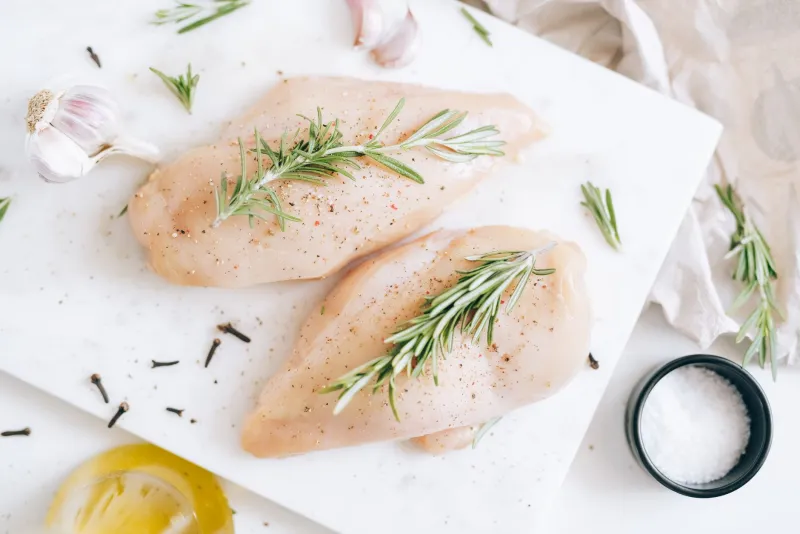
Poultry is a useful thing to think about ahead of time because it is expensive, perishable, and genuinely good eating when handled with care. A proper British chicken or a small turkey crown deserves better than being left to chance in a warm fridge. The plan below is not about doom and gloom. It is about keeping your cool when the grid does not.
Before the wind gets up
If a bad forecast is heading your way, do the quiet jobs now. Check the fridge is running at 5C or below and the freezer at -18C. Dig out the cool box and a few ice packs, or fill empty plastic bottles with water and freeze them. If you have a thermometer, keep it where you can find it. A cheap fridge thermometer is worth its weight in gold when you are trying to make a judgement call by torchlight.
Group raw poultry together on a lower shelf, sitting in a tray or bowl, so any drips do not wander onto cooked food. If your freezer is half empty, fill the gaps with frozen veg, bread, or those water bottles. A fuller freezer holds the cold longer. None of this is dramatic. It is just the sort of small preparedness that makes a power cut feel like an inconvenience rather than a crisis.
The fridge clock: what to keep and what to cook
If the power goes, keep the fridge door shut. Every opening lets cold air out and warm air in. As a rule of thumb, food in a closed fridge is generally considered safe for around four hours. After that, the sensible approach with raw poultry is not to sniff it hopefully and crack on. Cook it, or bin it.
A bird that has been sitting in a warming fridge is not a risk worth taking. Colour, smell and texture can help you spot food that is clearly past it, but they are not a guarantee. Poultry should not smell sour, feel tacky or slimy, or look grey-green. If it does, out it goes. If you are unsure, treat it as a no. The old line about waste not, want not does not stretch to food safety.
If the fridge has warmed but the bird still feels properly cold and you can cook it straight away, do that. Cooking poultry thoroughly is the important part: the meat should be piping hot all the way through, with no pink juices, and a digital thermometer in the thickest part should read 74C. Then eat it promptly, or cool it quickly and get it into the fridge once the power is back.
The freezer: cold, but not forever
A closed freezer will usually hold its temperature for around 24 hours if it is half full, and nearer 48 hours if it is packed. Do not open it to check every hour. You will only speed up the thaw. If you have a cool box and ice packs, you can move the most valuable items there, but keep the freezer door closed while you decide.
If poultry has partly thawed but still has ice crystals and feels very cold, cook it rather than refreezing it raw. A thawed chicken can be cooked and then frozen as a finished dish, which is a much better use of it than hoping for the best. If it has thawed completely and warmed up, treat it like fresh poultry that has been left out: cook it now or discard it. Do not refreeze raw poultry that has gone soft and warm.
Cook first, ask questions later
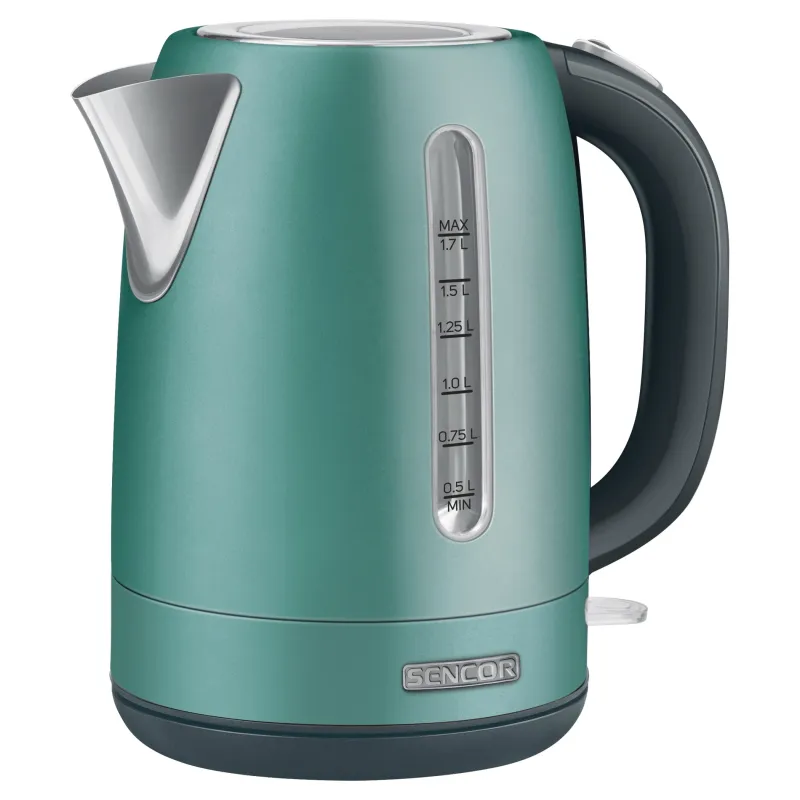
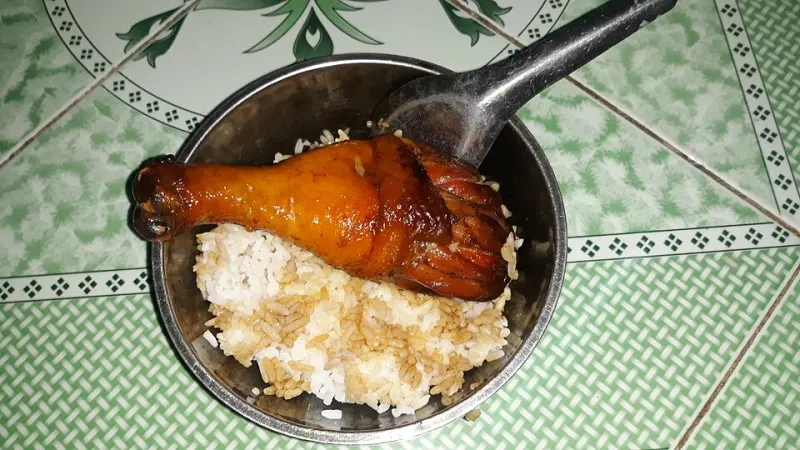
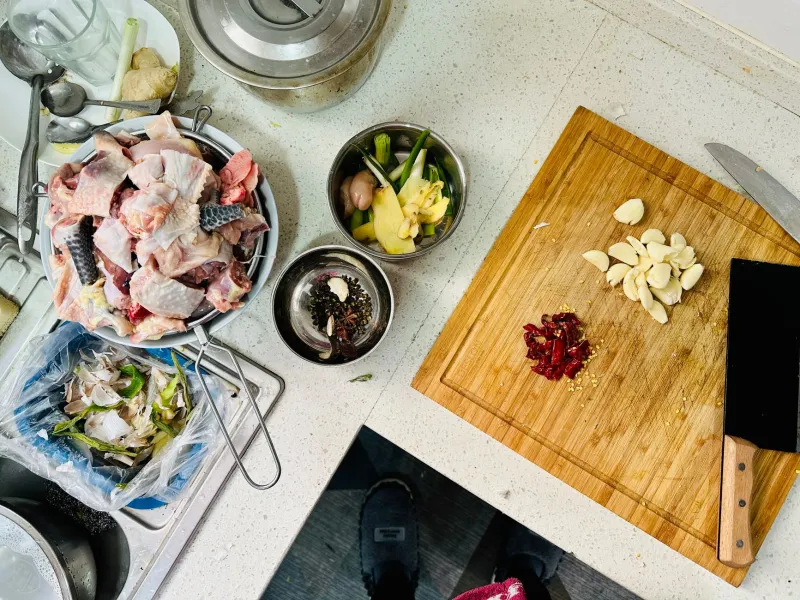
When the lights are off and the week is wobbling, cook the bird you are least sure about first. A whole chicken can become a traybake for now and shredded meat for tomorrow. A pack of thighs can go into a slow, forgiving curry or a one-pot rice. If you have a gas hob, a barbecue with a lid, or a camping stove used sensibly outdoors, you have options. If not, a cool box and a bit of patience may be your lot until power returns.
Cooked poultry is easier to keep safe than raw poultry. Once it is cooked, cool it quickly, portion it, and keep it as cold as you can. Reheat only what you need, until steaming hot, and do not reheat the same portion twice.
Pivot suppers for a changed week
A storm week is a good time to let the plan bend. If the Sunday roast is no longer practical, turn the bird into a gently spiced traybake with onions and potatoes, or a thick chicken and leek soup that can be finished with cream and mustard. Cold shredded chicken makes a decent sandwich filling with pickle and a bit of crunch. Leftover gravy can become the base for a pie filling or a pot of beans.
The point is not to pretend everything is normal. It is to make the food work around the weather. A chicken cooked on Tuesday and eaten in three different ways by Thursday is a small victory. It is also exactly the sort of thrifty, farm-to-table thinking that makes a good bird stretch properly.
When the power comes back
Before you restock, check the fridge and freezer properly. If in doubt, throw it out, especially with poultry. Clean the shelves, check the temperature, and give the fridge time to settle. Then make a note of what you actually used and what you missed, so next winter's storm plan is a little sharper.
Storms are unsettling, but they are also a reminder that good food is mostly about small acts of care. Keep the door shut, keep the thermometer handy, cook what needs cooking, and let the rest wait. Your bird will thank you for it.