The Seasonal Bird: A Buyer’s Almanac for the British Poultry Year
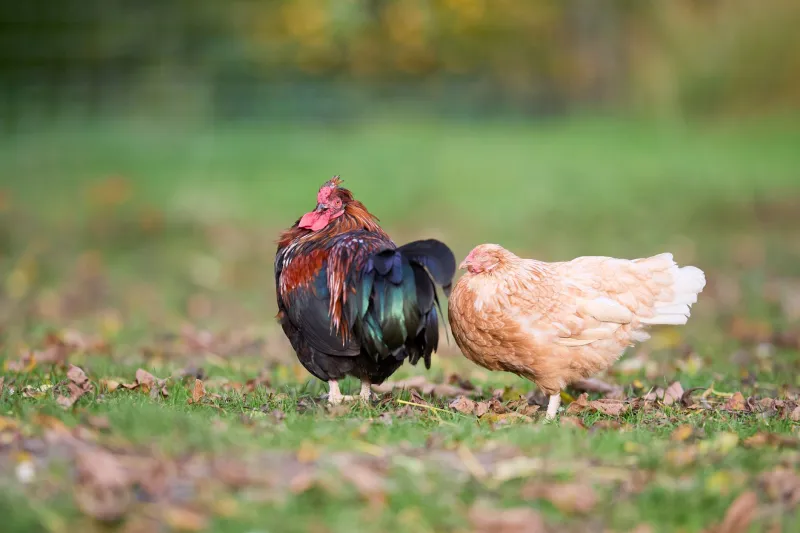
Buying poultry well is less about memorising labels and more about reading the calendar. In Britain, the bird that suits a frosty January kitchen is rarely the one that sings in June, and the gaps between those moments are where flavour, value and good farming quietly meet. This almanac is not a rigid rulebook. Think of it as a set of prompts for the farm gate and the butcher counter — a way to ask what is genuinely good this week, rather than simply reaching for the same shrink-wrapped choice all year round.
Spring: The Case for a Younger Bird
From March into May, the poultry counter starts to lighten. Spring chicken — often a younger, smaller bird — comes into its own as the vegetables change: the first asparagus, wild garlic, young leeks and herbs. A bird reared outdoors as the days lengthen tends to have a cleaner flavour and a little less fat than its winter counterpart, which makes it a natural fit for roasting with lemon and tarragon or jointing for a light, winey stew.
At the farm gate, ask about age rather than just weight. A true spring chicken may be eight to twelve weeks old; a larger, slower-grown bird will taste different and roast differently. Ask, too, what the birds have been eating. Early grass and insects can bring a subtle sweetness to the meat, though feed is only part of the story. If you are buying for Easter, order ahead — good small birds disappear quickly in the run-up to the bank holiday.
Early Summer: Duck, Gooseberries and the Outdoor Table
June and July are duck months for many British cooks, even though duck is available all year. The difference is the setting: a bird roasted until the skin crackles, served with sharp gooseberries or a tart cherry sauce, belongs outdoors. Outdoor-reared duck tends to have a firmer texture and a more pronounced layer of fat, which is exactly what you want for rendering and crisp skin. Ask your butcher whether the duck is a traditional breed such as Aylesbury or Pekin, and whether it has been dry-plucked. Dry plucking takes longer but often gives a cleaner finish to the skin.
Value here is not only price per kilo. A duck will yield rich fat for potatoes and a carcass that makes a deep, useful stock. If you are feeding a smaller household, ask for a duck crown or legs rather than a whole bird. The same seasonal logic applies to chicken: a summer bird with plenty of outdoor time can be roasted simply and eaten warm or cold. It is the season for asking what is plentiful, not what is fashionable.
Late Summer and Autumn: Cockerel, Corn-Fed Birds and the Orchard
As the harvest comes in, the poultry year shifts again. Cockerel — the young male bird — becomes worth seeking out. These birds are often more active than hens, with longer legs and firmer meat. They need slower cooking or careful roasting, but the reward is a deeply savoury flavour that stands up to apples, cider, root vegetables and dark stocks. If you see one at the butcher counter, ask how old it is and whether it has been hung. A little hanging can concentrate flavour, though it is not right for every bird.
Autumn is also the moment for corn-fed birds. The feed gives the skin a warm yellow colour and a rounder, sweeter flavour. It is not a guarantee of better welfare, so keep asking about rearing as well as feed. Around Michaelmas, goose comes back into the conversation, and orchard-raised poultry — birds with access to grass and fruit windfall — begins to make seasonal sense. Match these birds with the apple and pear glut. A cockerel braised with cider and orchard fruit is one of the most honest suppers of the British year.
Winter: The Christmas Bird and the Quiet Months
By November, the big decisions arrive. Turkey, goose or a large capon? Order early, and order with questions. Ask about breed, feed, hanging and the farm it came from. A Christmas bird should be chosen for your oven and your table, not for the picture on the box. A smaller, slower-grown turkey often eats better than a vast, bland one, and a goose will feed fewer people than its weight suggests because of the fat and bone.
January and February are the quiet months, but they are not empty. This is the time for the freezer, for stewing hens, and for using up the stock you made in December. It is also a good moment to ask your butcher what is local and affordable. Mature birds, often sold as stewing hens, make superb pies and broth. They are not a compromise; they are a different kind of cooking, and often better value than a pale, anonymous chicken.
The Questions Worth Asking
Whether you are at a farmers’ market or a trusted butcher, a few questions do more than any label. How old is the bird? What breed is it? What has it been eating? Was it reared outdoors, and for how long? Has it been hung? These are not difficult questions, and good sellers welcome them. They also help you match the bird to the method: a young chicken for a quick roast, a cockerel for a slow braise, a duck for a crisp-skinned weekend supper.
Seasonal buying is not about being perfect. It is about being curious. The British poultry year has its rhythms, and the more you notice them, the better your cooking becomes. Ask what is good this week, buy a little less but a little better, and let the calendar do some of the work.