The Cook's Reward: A Practical Case for Dark Poultry Meat
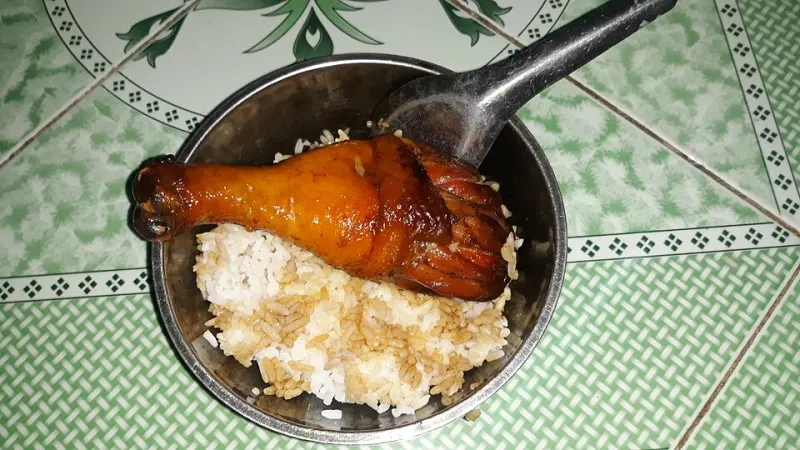
Photo: Baoothersks, CC BY-SA 4.0, via Wikimedia Commons
There is a quiet moment in many British kitchens when the Sunday bird comes out of the oven. The breast is carved first, laid in neat slices on the warm plate, and the legs are pushed to one side. Sometimes they end up in the fridge, sometimes in a sandwich the next day, sometimes in the stock pot. Rarely do they get the applause. That feels like a missed opportunity.
Dark poultry meat is not a lesser cut. It is the cook's reward: juicy, forgiving, full of flavour and usually better value than the breast. If we are serious about eating the whole bird, and about getting good food from a sensible weekly shop, the leg deserves more than an afterthought.
The breast isn't the whole story
British cooks have learned to prize white meat. It slices cleanly, looks smart on a plate and behaves well in a sandwich. But chicken and turkey breasts are also the easiest parts to dry out. They need careful timing, a watchful eye and a rest before carving. Legs and thighs are built differently. They have more connective tissue and a little more fat, which means they can take longer cooking and come out better for it. That is why a slow-braised turkey leg can be deeply savoury, while a sliced turkey breast left in the oven ten minutes too long can taste like sawdust.
This is not an argument against breast meat. It is an argument for balance. A roast bird gives you both. Buying a whole chicken or turkey, or asking your butcher for legs and thighs alongside a crown, lets you cook each part in the way it wants to be cooked.
Why the leg is the cook's friend
Leg meat is more robust. It can be roasted at a decent heat, braised in cider or stock, shredded into a pie or stirred through a curry. It also tends to be cheaper per kilo than breast, which matters in a year when plenty of us are looking closely at the weekly food bill. And because dark meat holds on to moisture, it is a kind choice for anyone still building confidence in the kitchen.
There is a flavour point too. The leg tastes more intensely of the bird. It carries gravy, mustard, herbs and gentle spice without disappearing. If you have ever pulled the crispy skin off a chicken thigh and thought it was the best bite of the meal, you already know the argument.
Roasting: give it space and a little salt
For roast chicken legs, keep it simple. Salt them ahead if you can, even half an hour on the counter or overnight in the fridge. Pat the skin dry, rub with a little oil and put them on a tray with room to breathe. Crowding is the enemy of crisp skin. A bed of halved potatoes, chunks of parsnip or wedges of apple underneath will catch the juices and save you a pan.
Roast at around 200°C fan or 220°C conventional for 35 to 45 minutes, depending on size. Turn the tray once if your oven runs hot at the back. The legs are ready when the skin is golden, the juices run clear and the meat near the bone reaches 75°C. Let them rest for five or ten minutes before serving. Turkey legs are larger and need longer; roast them until tender and check the temperature rather than guessing.
Braising: the weeknight ally
Braising is where dark meat really earns its place. Brown the legs first in a heavy pan, skin side down, until the fat renders and the skin turns deep gold. Lift them out, soften onions, leeks or carrots in the same pan, add a splash of cider or stock, tuck the legs back in and cover. A low oven at about 160°C fan or 180°C conventional for an hour to ninety minutes will give you tender meat and a sauce that needs nothing more than a spoonful of mustard and some chopped parsley.
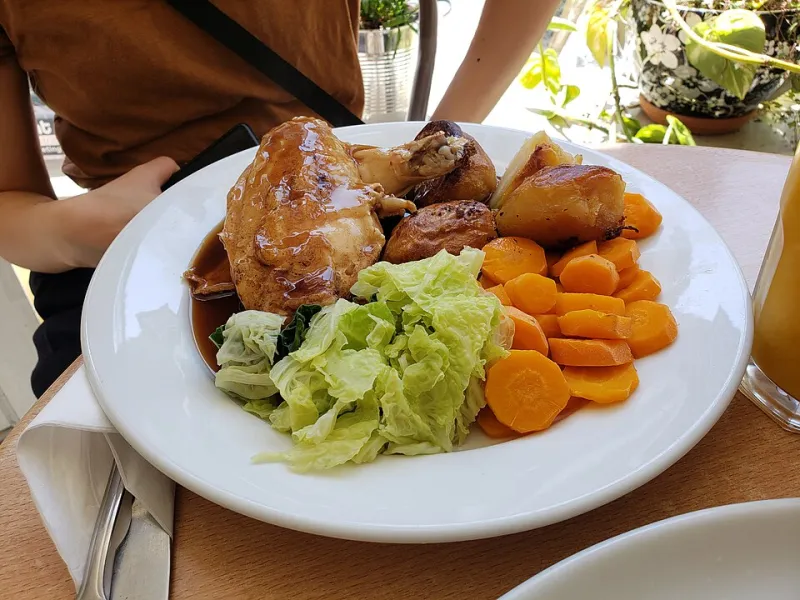
This is the sort of cooking that fits a British winter: one pan, a modest cut, a good gravy and perhaps a pile of mash or buttered greens. It also reheats well, which makes it useful for anyone cooking ahead for the week.
Carving without the wrestling match
When carving a whole bird, do not saw at the leg. Find the hip joint, press the leg gently away from the body and slice through the natural gap. You should feel the knife meet softness rather than bone. If the bird is very hot, wear a clean tea towel over your hand or give it a few more minutes to rest. On a chicken, the thigh and drumstick can be separated through the knee joint in the same way. Carve the legs first and keep them warm while you deal with the breast. They will not suffer for the wait.
Three weeknight ideas to try
1. Cider and mustard braised legs with leeks
Brown four chicken legs, then soften two sliced leeks and a garlic clove in the pan. Add a glass of dry cider, a teaspoon of Dijon mustard and enough stock to come halfway up the meat. Cover and cook slowly until tender. Serve with mashed potato and a little extra mustard on the side. The sauce is sharp enough to cut through the richness and simple enough for a Tuesday.
2. Thursday thigh traybake with apples and parsnips
Toss chicken thighs with olive oil, thyme, salt and pepper. Arrange them on a tray with parsnips cut into batons and wedges of eating apple. Roast until the skin is crisp and the fruit has softened into the juices. This is a good way to use up the apples rattling around the fruit bowl, and it makes a generous one-tray supper with bread and something green.
3. Shredded dark-meat ragu for jackets or pasta
Take leftover roast leg meat, or braise a couple of turkey thighs until tender, then shred with two forks. Warm it through with a tin of tomatoes, a chopped onion, a little rosemary and a splash of stock. Spoon it over baked potatoes with grated cheese, or toss with pasta and a handful of spinach. It is thrifty, flexible and far better than it sounds.
The thrift argument
A whole bird is usually better value per kilo than a pack of breast fillets. If you buy the whole chicken and use the legs, you get two or three extra meals from the same spend: a roast, a braise, perhaps a soup from the carcass. The same applies to turkey. Asking for legs and thighs at the butcher counter is often cheaper than premium breast, and it keeps more of the bird in circulation rather than encouraging waste.
That matters. Good poultry deserves to be used well. The breast may be the showpiece, but the legs are where the flavour, the value and the cook's quiet supper are hiding.
A small change at the butcher counter
Next time you are buying poultry, whether from a farm shop, a market stall or the butcher, ask what is available beyond the breast. Try roasting legs with the same care you give a crown. Braise them on a wet Wednesday. Shred the leftovers for Thursday. You may find that the part you once pushed to the side of the plate becomes the part you look forward to most.