Cold Bird, Good Table: Serving Poultry at Room Temperature
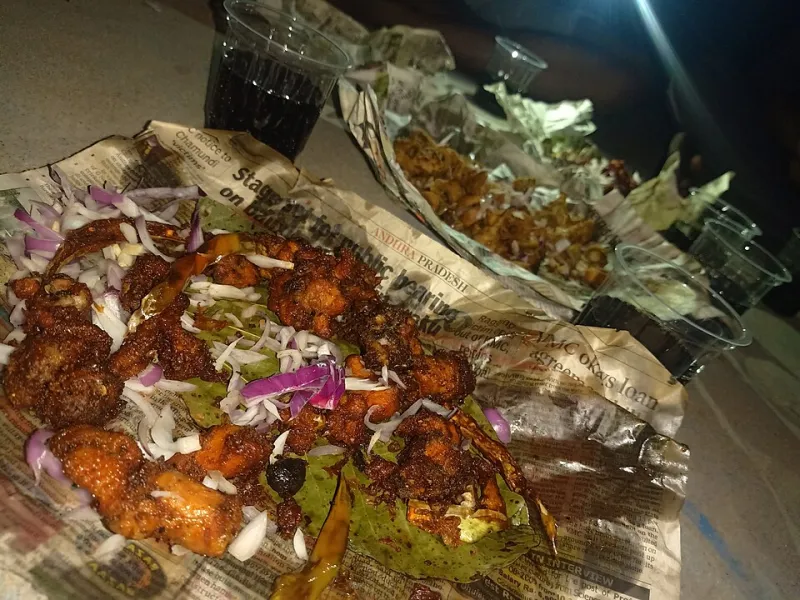
Photo: Bharath73373, CC BY-SA 4.0, via Wikimedia Commons
Somewhere along the way, cold chicken became the thing you eat when there is nothing else. A bit of breast picked from the fridge shelf at half past nine, eaten over the sink with the door open. That is not cold chicken's fault. It is ours, for treating a genuinely excellent thing as leftovers.
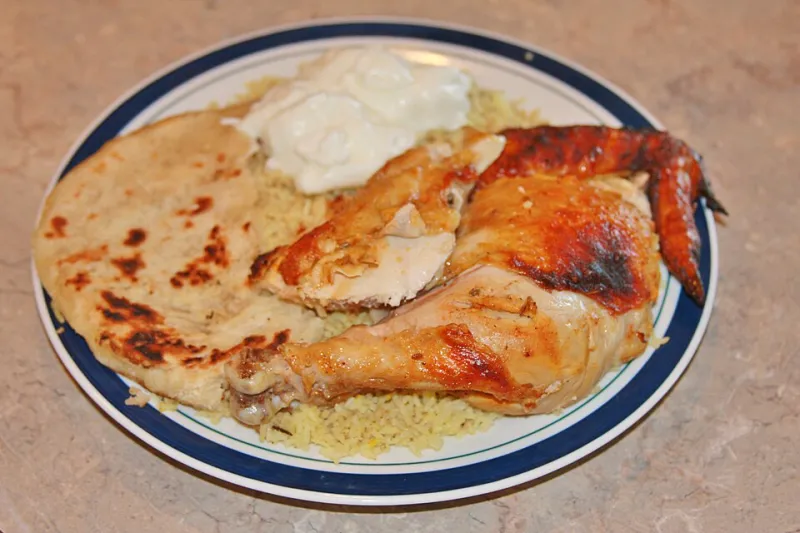
Served at room temperature, with a little care, cold poultry is one of the most useful dishes in a British kitchen. It belongs on a buffet table, in a lunch box, on a plate with pickles and bread, and it asks for very little in return.
Cold meat is not the same meat
A roast bird eaten cold is a different proposition from a roast bird eaten hot, and pretending otherwise is where most disappointments start. Fat sets. Gelatin firms up. Seasoning that tasted generous at seven in the evening reads flat at one in the afternoon.
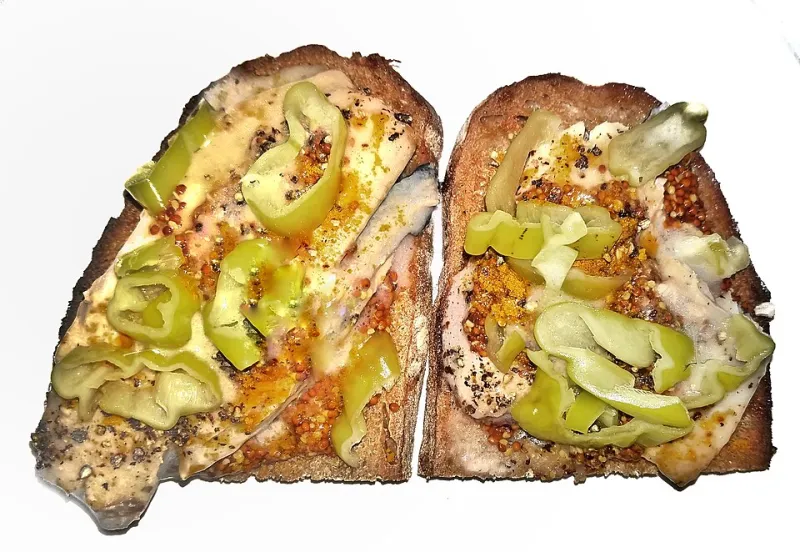
Cold poultry needs more salt than you think, more acidity than you think, and a dressing with some backbone. A spoon of mustard in a crème fraîche dressing, a squeeze of lemon over sliced meat, a scatter of pickled shallots — these are not garnishes, they are the correction the dish requires. Herbs help too, and hard herbs survive cold far better than soft ones: thyme, parsley, a little tarragon.
Texture matters as much as flavour. Cold meat feels drier because the fat is no longer liquid, so cook for the cold table slightly less than you would for a hot dinner. Pull the bird a touch early, rest it fully, and slice against the grain.
Cooling it properly
This is the part where opinion has to give way to rules, because cold poultry sits in the one area of the kitchen where being relaxed is genuinely unwise.
- Cool the bird quickly. Leave it uncovered at room temperature for no longer than ninety minutes, then get it into the fridge. A whole turkey will not cool safely on the counter overnight; joint it first.
- Store in a shallow container rather than a deep one, so the cold reaches the middle of the meat.
- Keep cooked poultry in the fridge and use it within two days. Label the container with the date if your fridge has a habit of hiding things.
- On a buffet table, cold food should not sit out for more than two hours in total. If it has been out that long, it goes.
- Keep cold dishes genuinely cold. A bowl of cold chicken on a warm December radiator is not a buffet, it is a gamble.
None of this is fussy. It is the same care you would take with a pint of milk, applied to something better.
Reheating: one chance, done properly
You can reheat cooked poultry, but only once, and only until it is piping hot all the way through — 70°C or above in the middle. What you must not do is warm it, cool it, warm it again. That cycle is where trouble lives.
For most cold dishes, reheating is beside the point anyway. Cold chicken is at its best cold, or brought back to room temperature for twenty minutes before serving, which is not reheating at all but a quiet improvement. A cold roast potato, mind you, never recovers. Reheat those and leave the bird alone.
Three plates that make it a proper meal
The board. Cold sliced bird, a bowl of mustard crème fraîche, pickled shallots or cornichons, watercress, cold roast potatoes, sourdough and butter. Add a wedge of good cheese if the table is hungry. Nothing here takes more than ten minutes and it looks like a meal somebody thought about.
The winter slaw. Shredded white cabbage, a sharp apple cut into matchsticks, toasted walnuts, plenty of parsley, and a buttermilk dressing with mustard and a little horseradish. Cold chicken folded through it, or laid on top, and the whole thing becomes lunch. This is the plate that survives a long walk in the cold and a crowded kitchen.
The lunch box. Cold bird, a few boiled potatoes dressed while warm, a handful of something pickled, a slice of malt loaf for afterwards. It beats a sad sandwich by a country mile and costs about the same.
And the carcass gets a job
Cold bird does not stop at the meat. The frame, the skin and any jelly in the tin go into a pot with an onion, a carrot, a bay leaf and cold water. An hour at a bare simmer gives you a broth that will make a proper soup the next day, and it costs nothing but the gas. If you have roasted two smaller birds rather than one giant one, this is doubly true.
Room temperature, a little acid, a decent dressing and a plate worth sitting down to. That is all cold poultry has ever needed. The fridge shelf at half nine was never the right setting for it.