The Encore Bird: Leftovers, Bones and Gravy Worth Planning For
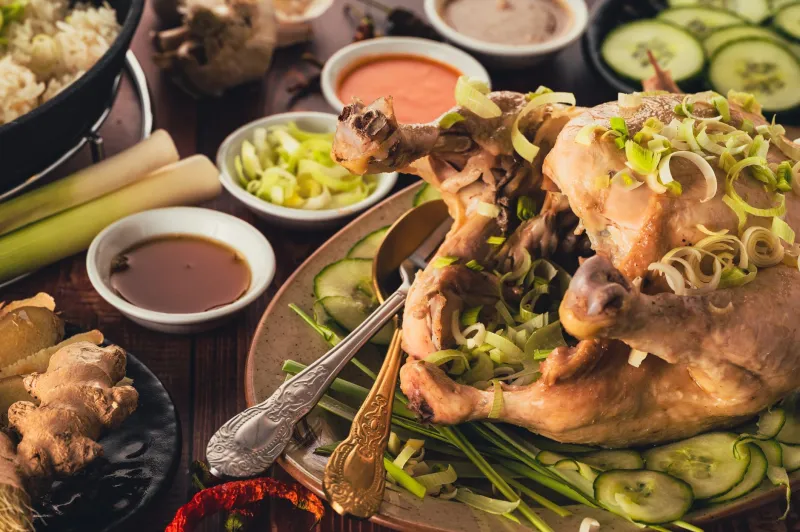
There is a quiet moment after a roast bird has done its main-event work. The plates are cleared, the carving board is cooling, and a decent pile of meat, skin and bones is sitting there looking slightly sorry for itself. At Pear Tree Poultry, we like to see that as the start of the second act, not the end of the meal. A bird raised well, whether it’s a farm-shop chicken, a Christmas turkey or a guinea fowl for a smaller table, has plenty more to give.
The trick is a little planning and a lot of common sense. Leftovers are only thrifty if they’re safe to eat, so the cooling and storing bit matters just as much as the pie at the end of it.
Cool it down, then chill it properly
Don’t leave the bird sitting on the hob while you wash up and watch the end of a film. Once the meat has stopped steaming, get it into the fridge fairly sharpish — within a couple of hours is the usual advice. If the whole bird is still warm, carve off the meat first and spread it in a shallow container so it cools faster. Keep the bones for stock, but don’t leave them out overnight.
Cooked poultry will usually keep in the fridge for two to three days. Label the tub if you’re the sort of household where mystery containers breed in the back. And if you’re reheating, do it once, thoroughly, until it’s steaming hot all the way through. Don’t reheat the same bit twice — that’s not thrift, that’s roulette.
Monday lunchbox: the shredded bird sandwich
This is less a recipe than a good habit. Pull the leftover meat into shreds, mix it with a spoonful of mayonnaise or yoghurt, a little mustard, salt, pepper and maybe some chopped apple or a spoonful of chutney. Pile it into buttered bread with watercress or shredded cabbage. If you have leftover roast potatoes, squash them into a flat cake and fry them in a little chicken fat the next morning. That is a Monday lunch that makes the working week feel briefly civilised.
Midweek pie: leeks, mustard and a bit of gravy
A pie is the natural home for leftover turkey or guinea fowl, especially in November when the evenings have turned properly dark. Soften a couple of leeks in butter, add a spoonful of wholegrain mustard and a splash of cream or crème fraîche, then fold through the shredded meat and enough leftover gravy to make it saucy rather than soupy. Season carefully — gravy can be salty. Tip it into a dish, top with puff pastry and bake at 200°C fan until the pastry is golden and the filling bubbles at the edges. If you have no gravy, a splash of stock and a little cornflour will do the job.
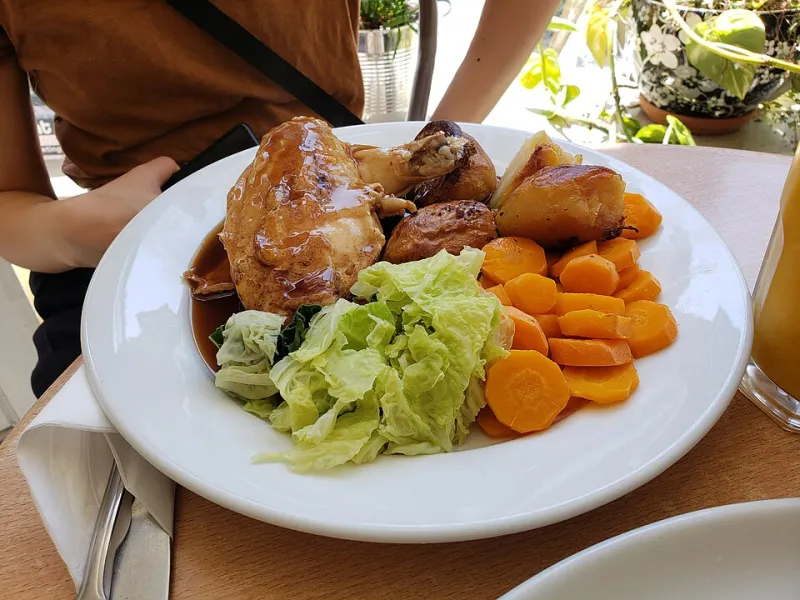
This is the sort of supper that doesn’t apologise for being leftovers. With a dish of greens or buttered carrots, it sits proudly in the middle of the table.
The stock pot earns its keep
When the meat is off the bones, don’t bin the carcass. Break it up, put it in your biggest pan with an onion, a carrot, a celery stick if you have one, a few peppercorns and a bay leaf. Cover with cold water, bring it just to a simmer, then keep it there — a gentle tremble rather than a rolling boil — for two to three hours for chicken or guinea fowl, longer for a turkey if the pan allows. Skim the grey foam now and then. Strain it, cool it quickly and freeze it in tubs or ice-cube trays.
That stock is the backbone of future risottos, soups and gravy. It is also the most honest sort of cooking: using what you have, wasting little, and getting one more good meal out of a bird that was reared with care in the first place.
A word on skin, fat and scraps
Chicken skin that has gone soft in the fridge can be crisped in a dry pan or a hot oven and scattered over a salad or a bowl of soup. The fat that sets on top of chilled stock can be scraped off and used for roast potatoes. Small scraps of meat can go into a fried rice, a frittata or a bowl of noodles. None of this is fancy. It is just the sort of kitchen economy that British cooks have always understood.
The third outing: soup from the bones
If you have made stock, you are most of the way to a decent soup. Add shredded leftover meat, a handful of pearl barley or noodles, some chopped carrot and a squeeze of lemon at the end. Season, taste, and serve with bread and butter. It is the kind of thing that costs very little and tastes like it cost more.
A well-sourced bird is not cheap, and it shouldn’t be. The answer isn’t to buy less carefully; it’s to use the whole thing more thoughtfully. So next time you roast a chicken, turkey or guinea fowl, plan for the encore. The second-day bird is often the one you remember longest.