The Bag at the Bottom of the Bird: A Thrifty Guide to Giblets
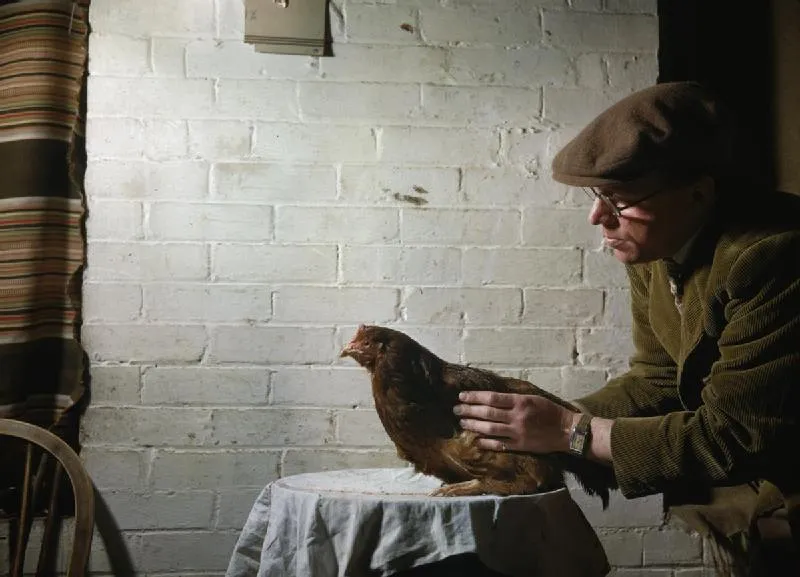
Photo: Bryson Jack, Ministry of Information official photographer, Public domain, via Wikimedia Commons
There is a moment, usually with your sleeves rolled up and the roasting tin already out, when your hand goes into the bird and finds a paper bag. Many cooks lift it out, glance at the contents and drop the whole lot in the bin. At Pear Tree Poultry, we would gently suggest a different move: keep it. The neck, heart, liver and gizzard are not mystery extras. They are the beginning of gravy, the backbone of a stock, and a cook’s bonus that has been quietly travelling home with your Sunday roast.
Giblets have a reputation problem. They are offal, yes, but offal is just a word for parts that need a bit of thought rather than a lot of money. Treat them with the same care you would give the breast or the legs, and they repay you with depth. This is not restaurant theatrics. It is ordinary British kitchen thrift, done properly.
First, the practical bit: find it, chill it, keep it clean
Most good farm shops and butchers will bag the giblets separately, sometimes with the neck tucked in alongside. Check the main cavity and any flap of skin near the tail end before the bird goes anywhere near the oven. If your bird is frozen, defrost it in the fridge and remove the bag as soon as you can — giblets should not be left inside to roast.
Once out, treat them like any raw poultry. Keep them covered in the fridge, away from cooked food and anything you will eat raw. Use a separate board and knife, wash your hands afterwards with hot soapy water, and clean the surfaces they touched. Do not wash raw poultry under the tap; splashing spreads bacteria around the kitchen. Pat things dry with kitchen paper and bin the paper.
If you are not cooking the giblets on the day, they will keep in the fridge for a short time — think of them as you would any fresh raw poultry and use them promptly. If in doubt, freeze them on the day you bring the bird home and deal with them later.
The neck and gizzard: your stock and gravy engine
The neck is the least glamorous piece and the most useful. It is full of bone and collagen, which is exactly what you want for a gravy with body. The gizzard is tough and muscular, so it needs slow, gentle heat rather than a quick fry.
Put both in a small pan with a chopped onion, a carrot, a celery stick if you have one, a bay leaf, a few peppercorns and a sprig of thyme. Cover with cold water, bring to a bare simmer and let it tick away for an hour or so. Skim any foam that rises at the start. Strain the liquid and you have a light, savoury stock that will make the roasting tin taste far more generous than it has any right to.
For gravy, brown the neck in a little oil while the bird rests, then add the strained stock to the roasting tin and scrape up the sticky bits. Thicken with a little flour or cornflour, season, and finish with a splash of cider or a knob of butter. If you are not making gravy today, freeze the stock in ice-cube trays or small tubs. Those cubes are future risottos, soups and pan sauces.
The liver: quick, rich, and best not overcooked
The liver is the part people either love or quietly avoid. It has a strong flavour, so it works best in small quantities and with something creamy or sharp alongside. A simple rustic pâté is the classic move.
Soften a shallot in butter, add the trimmed liver, a crushed garlic clove and a little thyme, and cook until the liver is browned outside and cooked through — no pink inside. Add a splash of brandy or cider, let it bubble away, then cool slightly and blitz with softened butter until smooth. Season, spoon into a small pot, press down, and chill. Eat it on toast with something pickled. Keep it in the fridge for a couple of days at most, or freeze it in small portions.
If pâté feels like a project, fry the liver quickly and eat it as the cook’s treat while the bird rests. It is one of the old kitchen perks for a reason.
The heart: tiny but worth it
The heart is small, lean and easy to overlook. Trim away any connective bits, slice it thinly and cook it thoroughly — it should be cooked all the way through, not pink. You can fry it with the liver, chop it finely into a stuffing, or add it to the stock pot for extra richness. It will not feed a crowd on its own, but it adds a savoury note that makes the finished gravy taste more complete.
Freezer-ready flavour boosters
This is where giblets earn their keep beyond the roast day. Cool any stock quickly, then fridge it in shallow containers before freezing. Label bags and tubs with the date and contents. Frozen stock is best used within about three months for flavour, though it will keep safely longer if frozen solid. Cooked pâté can be frozen in small portions too, but leave a little headroom in the pot for expansion.
If you have cooked chopped giblets left over, freeze them in a small bag with a spoonful of stock. Drop them into a winter stew or a pie filling later. Nothing dramatic, just good, quiet kitchen economy.
Safety notes for UK kitchens
Keep raw giblets cold and separate from ready-to-eat food. Do not wash raw poultry. Cook liver, heart and gizzard thoroughly, and never serve them pink. Cool stock quickly — within a couple of hours — then refrigerate and use within three days, or freeze. Reheat leftover gravy until it is steaming hot all the way through. Pâté should be kept chilled and eaten within two days unless frozen. If something has been left out in a warm kitchen for hours, do not risk it.
A roast is not just the breast and legs. The bag at the bottom of the bird is a small, old-fashioned bonus — and once you have made gravy from the neck and pâté from the liver, you will wonder why it ever went in the bin. Next Sunday, leave the bin lid down.