Two Plates, One Bird: Buying and Cooking Poultry for Smaller Households
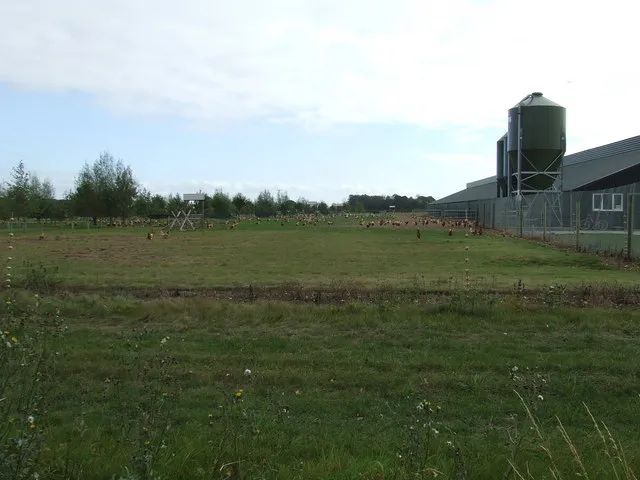
Photo: James Moore200, CC BY-SA 4.0, via Wikimedia Commons
There is a quiet problem with a lot of poultry advice: it assumes a family of four and a Sunday table full of people. For anyone cooking for one or two, a large chicken can feel like a commitment. You roast it, you eat it, you eat it again, you make a curry, you make soup, and by Thursday you are still working through the same bird. It does not have to be like that.
The answer is not to give up on whole birds. It is to buy smaller, choose the right cuts, freeze sensibly and plan for two proper meals rather than five grim ones. A compact chicken or a poussin is a very good friend to a small kitchen. You just need a bit of method.
Whole bird or cuts?
Start with what you actually enjoy eating. If you love a proper roast with crisp skin and gravy, a whole small chicken is worth it. Look for birds around 1.2kg to 1.5kg. That is enough for a generous roast for two, with some meat left for a second meal. A poussin, which is a young chicken usually around 400g to 600g, is even more compact. It roasts quickly and suits two smaller appetites, though it will not leave much in the way of leftovers.
If you are not fussed about carving and prefer speed, buy cuts. Two chicken thighs, a couple of drumsticks or a pair of breasts are easy to cook in small quantities. Thighs are the forgiving option: they take a bit more heat and stay juicy. Breasts need more care. A good butcher will joint a small chicken for you, or spatchcock it so it cooks faster and fits a smaller tray.
Whole birds usually offer better value, and the carcass is a genuine bonus for stock. Cuts are better if freezer space is tight or you know you will not get through the whole bird. Neither is wrong. The mistake is buying a huge bird because it looks like a bargain and then resenting it by Tuesday.
Buying sensibly for a small household
Ask your butcher for the smaller end of the range. Many will have compact chickens, poussin, guinea fowl or jointed portions that do not appear on a supermarket shelf. If you are buying a whole bird, ask them to spatchcock it. It takes up less space, cooks more evenly and fits a domestic oven tray without a wrestling match.
Look for British-reared poultry with clear provenance. You do not need the biggest bird in the shop. You need one that suits your fridge, your oven and your appetite. If you are buying for the freezer, buy with a plan: two thighs for a traybake, a small chicken for a roast, a bag of bones for stock. Label it before it goes in. Future you will be grateful.
Freezing and thawing without drama
Freeze poultry on the day you buy it, or before its use-by date, and make sure your freezer is running cold enough. Portion things before freezing. A whole chicken in a big bag is harder to thaw than two bags of joints. Flatten mince or small cuts in bags to save space. Label with the date and what is inside. For best quality, use frozen poultry within about three months, though it will keep safe longer.
Thaw in the fridge, not on the worktop. Put the bird or portions on a plate or in a container to catch drips, and allow roughly 24 hours for every 2kg, plus a bit longer for a whole bird. A small chicken may need a full day or more. Thawed poultry should be cooked within 24 hours. Do not refreeze raw poultry once it has thawed, unless you cook it first. And never wash raw chicken. It spreads bacteria around the sink for no benefit.
Roasting compact joints and small birds
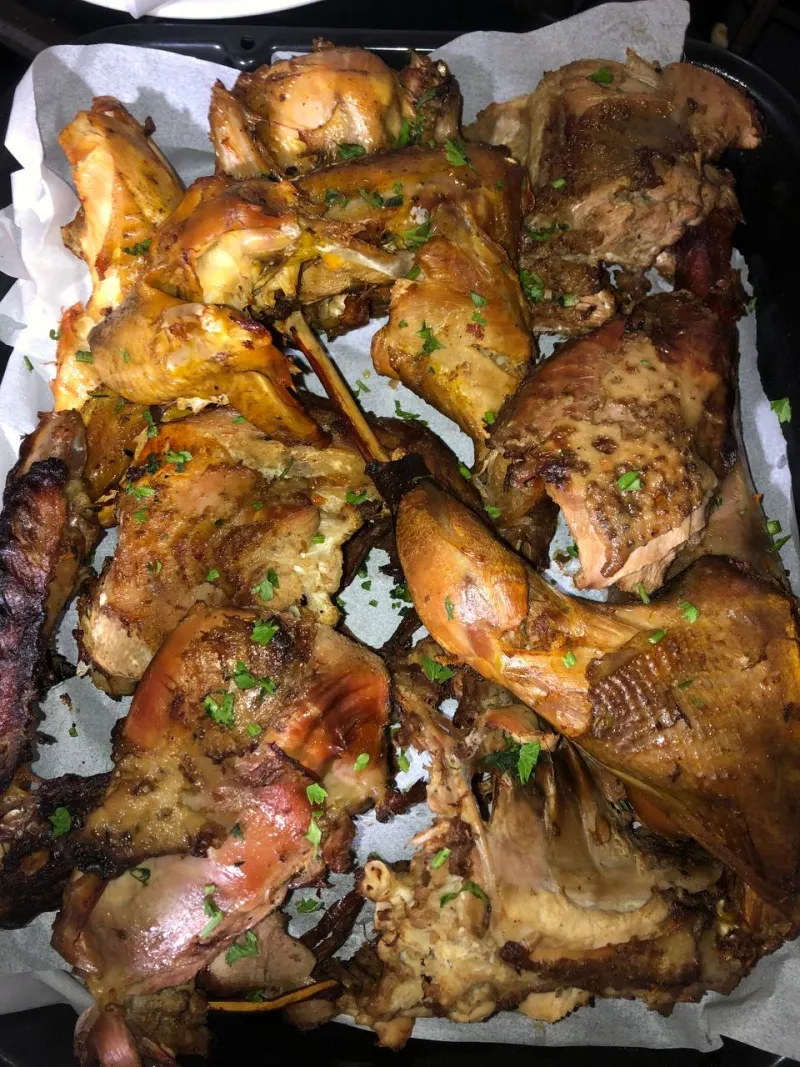
For a whole small chicken, heat the oven to 200C fan or 220C conventional. Put it in a roasting tray with onions, carrots or potatoes, rub the skin with a little oil and salt, and roast for about 1 hour 10 minutes to 1 hour 20 minutes, depending on size. Check the thickest part of the thigh reaches 74C. Rest it for 10 to 15 minutes before carving. If the bird is browning too fast, cover it loosely with foil.
A poussin is quicker: around 30 to 35 minutes at 200C fan, again until the juices run clear and the thickest part reaches 74C. Chicken thighs take about 35 to 40 minutes at 200C fan. A spatchcocked small chicken will usually take 45 to 50 minutes at 200C fan. These are guides, not laws. Ovens vary, so use a thermometer and your eyes.
Keep it simple. Salt the skin, add a lemon half or a few sage leaves if you like, and let the bird sit on top of vegetables so the juices do the seasoning. A small bird does not need a complicated stuffing. It needs heat, salt and a bit of rest.
Two proper meals from one small bird
Meal one is the roast. Carve what you need, serve it with potatoes and something green, and make a quick gravy from the pan juices. Do not strip the bird completely at the table. Leave the darker meat on the carcass for the next day.
Meal two starts with the leftovers. Pick the remaining meat off the bones and keep it covered in the fridge. Put the carcass in a pot with water, an onion, a carrot, a bay leaf and some peppercorns. Simmer gently for an hour or two, then strain. That stock is the base for a chicken and leek soup, a simple risotto, a curry or a tray of chicken rice. Add the picked meat at the end so it does not overcook. If you have more meat than you need for one meal, freeze it in portions with a little stock to keep it moist.
Cool leftovers quickly, put them in the fridge within two hours, and use them within two days. Reheat until piping hot all the way through, and only reheat once. If you are not going to eat the second meal within two days, freeze it on the day you cook the roast.
The small-kitchen rhythm
Cooking poultry for one or two is less about restriction and more about rhythm. Buy a small bird or a few good cuts. Freeze with a purpose. Roast on a Sunday or a quiet Wednesday. Turn the rest into stock and a second meal. Keep a bag of bones in the freezer if you are not ready to make stock straight away. Nothing is wasted, and nothing outstays its welcome.
That is the honest British approach in miniature: buy well, cook once, eat twice, and make the bones count. A small household does not need a small ambition. It just needs a sensible bird.