Beyond the Label: A Butcher-Counter Chat Before You Buy
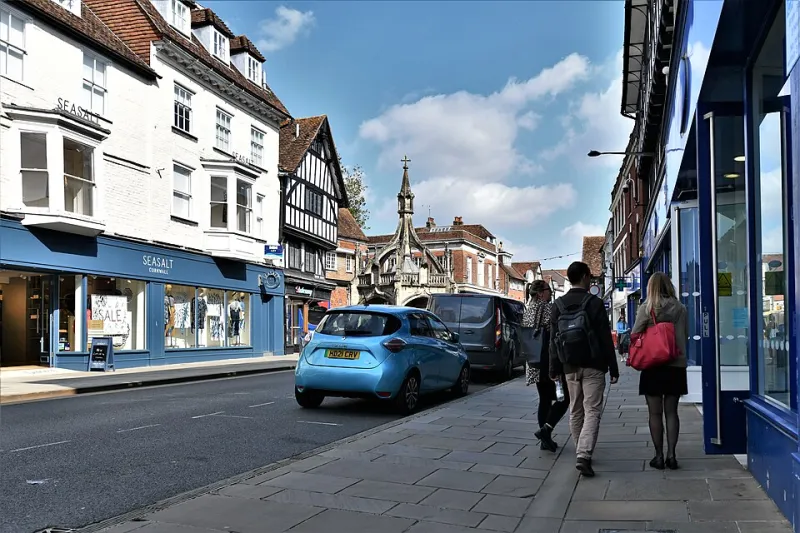
Photo: Michael Garlick , CC BY-SA 2.0, via Wikimedia Commons
Buying poultry should feel like a conversation, not an exam. The label can tell you some useful things, and terms like British, free-range and corn-fed have their place. But a label cannot tell you everything about the bird in front of you. The person behind the counter often can.
At Pear Tree Poultry, we like a butcher or farmer who is happy to talk. Not because there is a secret code to crack, but because good food usually comes with a story. Here are seven questions to keep in your pocket. You do not need to fire them all at once. Pick two or three, listen to the answers, and see how the conversation goes.
1. Which breed is this bird?
Breed affects flavour, fat cover and the shape of the bird. A traditional breed might have a longer frame and more dark meat; a commercial strain might be more predictable. Ask whether it is a named breed, a slow-growing strain or a farmyard cross. There is no wrong answer, but the answer tells you what to expect on the plate.
2. How old is it?
Age is one of the most useful things to know and one of the least visible on a label. A standard chicken may be just a few weeks old, while a cockerel or a slower-grown bird may have had months in the field. Older birds usually need slower cooking; younger ones are more forgiving. Ask the age, then ask how the farmer would cook it.
3. What has it been fed?
Feed shapes colour, fat and flavour. Corn-fed birds often have a golden skin, but the whole ration matters more than a single ingredient. Ask what the birds ate and whether the feed was grown locally. You do not need a biology lesson. A plain answer like a cereal-based ration with some soya is perfectly normal, and a farmer who can explain it is a good sign.
4. How was it reared?
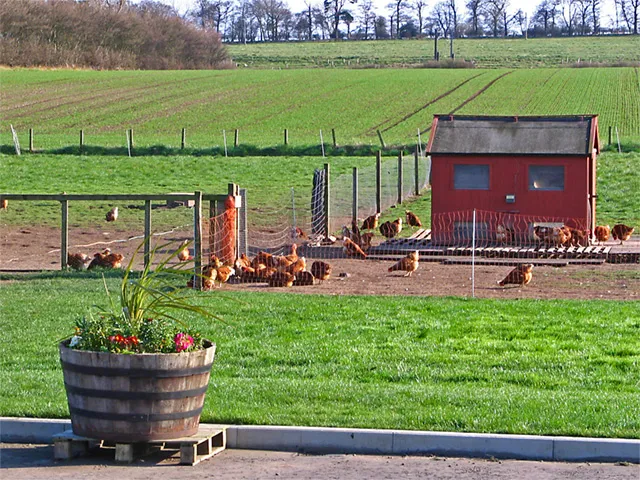
Free-range is a useful starting point, but it is not the whole story. Ask how much time the birds spent outside, what the shed was like, and whether they had space to move and perch. A good answer will sound practical rather than polished. Words like enrichment and pop holes are less important than a farmer who can describe the daily routine without reaching for a brochure.
5. Was it rested or hung?
After slaughter, poultry benefits from a rest in a cool place. This is sometimes called hanging, though it is not the same as the long hanging given to game. A short rest can help the meat relax and develop flavour. Ask whether the bird was rested and for how long. If the answer is no, that is not a disaster, but it is useful to know when you get to the kitchen.
6. Where exactly was it raised?
British is a broad word. Ask for the farm name, the county, or the distance the bird travelled. Traceability is not about catching anyone out. It is about knowing your food chain and being able to go back for another bird if you like it. A butcher who can point to a farm on the map is worth listening to.
7. What would you cook with it?
This is the question that turns a shopping trip into a plan. Ask whether the bird is best roasted, braised or jointed for the pan. Ask how many people it will feed and whether it needs a longer cook. A good butcher will not just sell you a bird; they will send you home with a method. If you are buying for a Sunday lunch, say so. If you want leftovers for the week, say that too.
A note on tone
You are not conducting an interrogation. You are having a chat with someone who knows more about the bird than the label does. If the counter is busy, ask one question and come back later. If the answer is vague, that is information as well. You can still buy the bird, or you can walk on to the next stall. Either way, you are shopping with your eyes open.
That is the spirit of the poultry counter test we believe in: friendly, curious and firmly on the side of good food. At Pear Tree Poultry, we would rather you ask a slightly awkward question than take home a bird you do not understand. The best purchases start with a conversation.