Cockerel on the Table: The Sunday Bird Worth Asking For

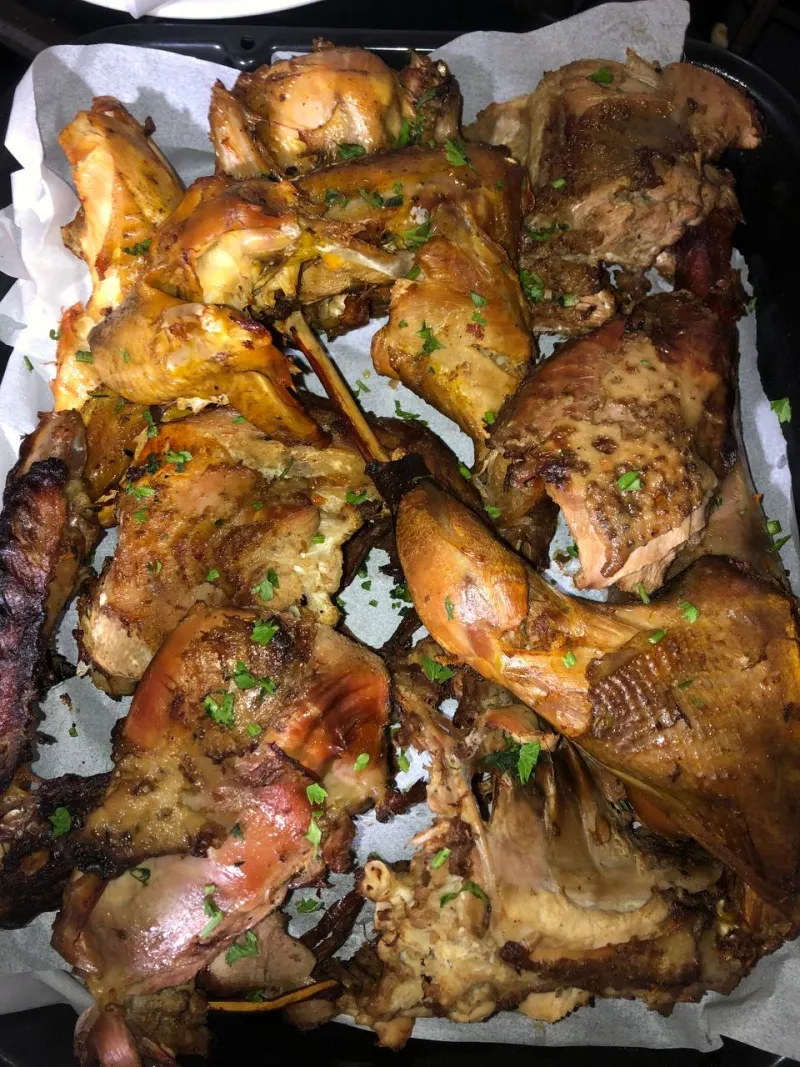
Photo: rustic pot roasted cockerel British farm table, via i.pinimg.com
At a farmers' market last month, I watched a shopper pick up a small, golden cockerel, turn it over, and put it back. It was not a chicken, she said, not quite. In one sense she was right: a cockerel is a young male bird, often from a laying flock or a traditional breed, and it will not behave like the uniform chicken fillets in a supermarket chiller. In another sense, she was missing the point. That bird was Sunday lunch waiting to happen.
Here at Pear Tree Poultry, we are not here to make life complicated. We are here to help British cooks get good food from farms we can name. Cockerel fits that brief neatly. It is flavoursome, thrifty in its own way, and it asks for a slower, more generous approach in the kitchen. You will not find it in most supermarket aisles. That is part of the problem, and part of the pleasure.
Why the cockerel fell out of favour
Supermarkets are brilliant at consistency. They want birds that reach a certain weight in a certain number of days, with a certain amount of breast meat, because that is what makes a supply chain work. Cockerels are less cooperative. They grow at different rates, carry more dark meat and a stronger frame, and often come from slower-growing or dual-purpose stock. For a retailer, that is a headache. For a cook, it is character.
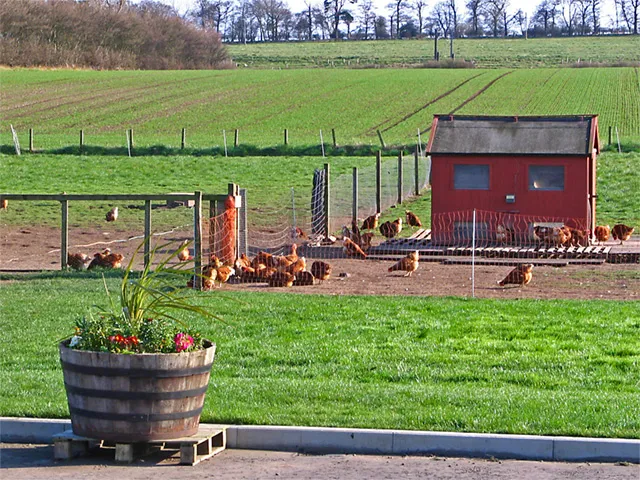
There is also the simple matter of habit. Most of us grew up buying a chicken, not a cockerel. The word itself can sound old-fashioned, as if it belongs on a village sign rather than a shopping list. But cockerels are part of the British farmyard story. Traditional breeds such as Dorking, Sussex and Indian Game have been raised here for generations, and many small farms still rear cockerels alongside laying hens. Using those birds is a sensible way to honour the whole animal rather than treating the male side of a flock as an inconvenience.
What to look for at the farm gate
If you are buying direct, start with a conversation. Ask the farmer how old the bird is, what it has been fed, and how it has been rested after slaughter. A cockerel is not a single product with a fixed specification. It might be a young bird from a laying flock, a slower-grown traditional breed, or a mature bird with a firmer frame. Age and breed will change how you cook it.
Look for clean skin, a plump breastbone that gives slightly, and a bird that smells fresh rather than sharp. A whole cockerel is usually the best buy because you get the carcass for stock. If the farmer offers to joint it, say yes if you are short on oven space, but keep the bones. They are the beginning of a good gravy.
A pot-roast that does the bird justice
Older cockerels are not built for a fast blast of heat. They reward a gentle braise, where the leg meat relaxes and the juices end up in the pan. This is less a strict recipe than a method you can bend around what you have.
You will need:
- 1 whole cockerel, roughly 1.5kg to 2.5kg
- 2 tbsp rapeseed oil
- 2 onions, sliced
- 3 carrots, cut into chunks
- 2 leeks, washed and sliced
- 4 garlic cloves, bashed
- 300ml dry cider or chicken stock
- A few bay leaves and sprigs of thyme
- Salt and black pepper
Heat the oven to 160C fan/180C conventional. Brown the cockerel all over in a heavy casserole with the oil, then lift it out. Soften the onions, carrots, leeks and garlic in the same pan. Sit the bird back on top, pour in the cider or stock, and tuck in the herbs. Put the lid on and braise for about 1 hour 30 minutes to 2 hours, until the leg meat is tender and the juices run clear. If your bird is small and young, start checking at 1 hour.
Take off the lid, turn the oven up to 200C fan/220C conventional, and let the skin crisp for 15 to 20 minutes. Rest the bird for at least 15 minutes before carving. Strain the pan juices, skim off excess fat, and serve with the vegetables and a jug of gravy. If the sauce needs body, bubble it down on the hob or stir in a teaspoon of mustard.
The Sunday lunch argument
A cockerel asks you to pay attention. It may need a longer cook, a sharper knife and a bit more planning than a supermarket chicken, but it gives back in flavour. The meat is savoury and firm, the gravy has backbone, and the leftovers make proper sandwiches and a decent pot of broth.
That is the kind of Sunday lunch we like at Pear Tree Poultry: honest, local and just a little bit old-fashioned. Next time you see a cockerel at a farmers' market or on a farm shop list, do not put it back. Ask how old it is, take it home, and give it a slow afternoon in the oven. The bird supermarkets skip might just become the one you look for.